Study in Italy 2027: Fees, the DSU Grant, English Programmes and Visa — the Complete Guide
Italy 2027: fees, the DSU grant, English-taught programmes, visa rules and a working timeline.
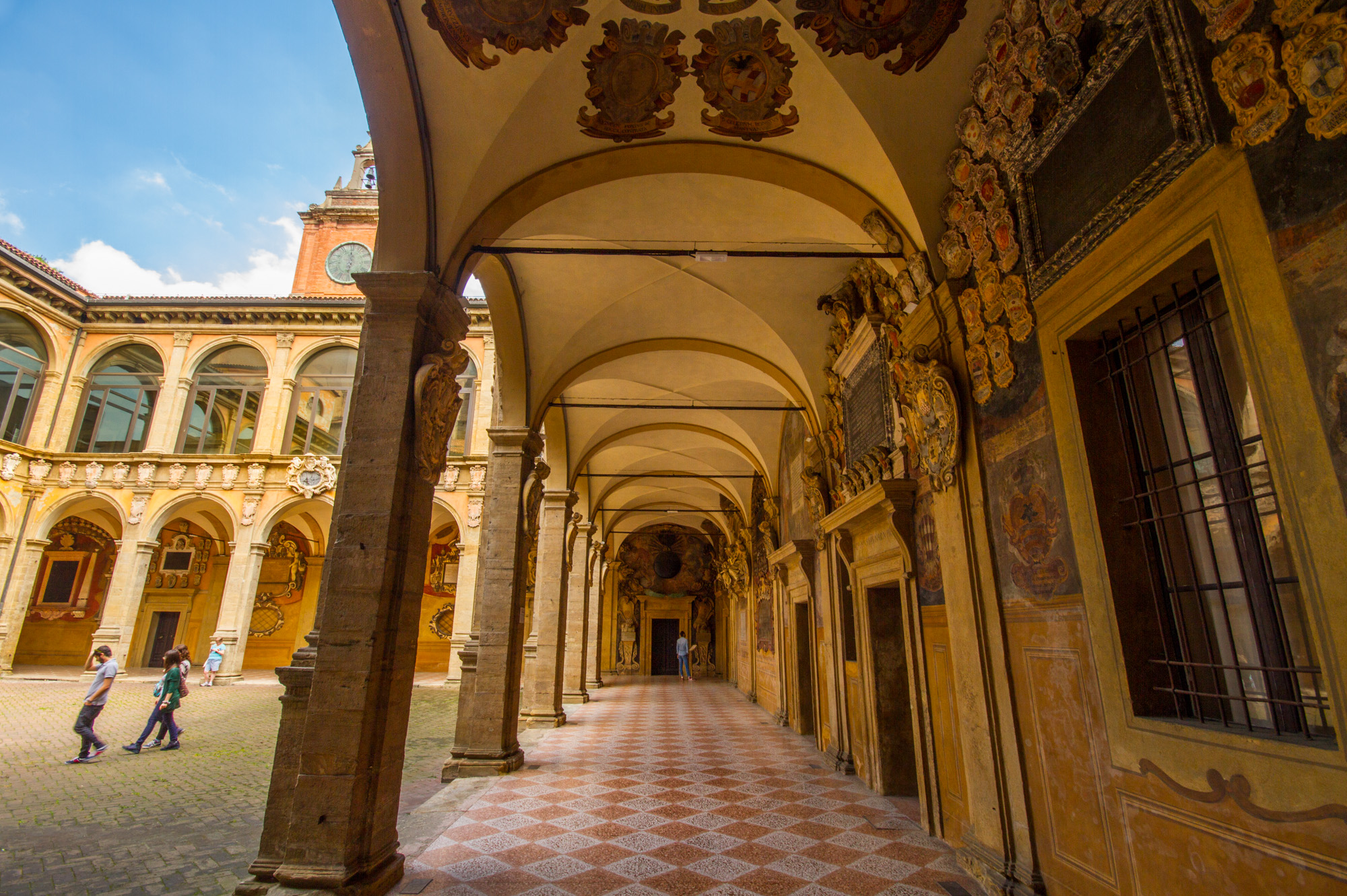
Italy has become the value play of European higher education: public tuition that scales down to a few hundred euros with your family income, a need-based grant system that pays international students on identical terms to Italians, hundreds of English-taught degrees, and three-year post-study job-search permits. This guide is the map — and every section links to a deeper guide or a live, funded listing in our database.
What studying in Italy costs
Public universities set tuition by family income (ISEE): the range runs from roughly €156 to around €3,000 per year, with most international students at public universities paying between €400 and €1,500. Private institutions — Bocconi, LUISS, private academies — charge full market fees with their own merit waivers. Doctoral candidates pay no meaningful tuition: funded PhD positions register at symbolic rates and pay salaries or scholarships. Compared with the UK, the Netherlands or the US, the fee structure is closer to Germany’s than to anything else in Western Europe.
| Italy: costs and support | Detail |
|---|---|
| Public tuition (ISEE-scaled) | €156-3,000 per year; most international students pay €400-1,500 |
| DSU regional grant | €7,171-8,247/yr cash (fuori sede) plus tuition waiver, canteen meals and subsidized housing |
| Invest Your Talent in Italy | €10,800 annual grant for master’s study, 20+ eligible countries, spring applications |
| Erasmus Mundus (Italy-hosted) | EMJM scholarship pays €1,400/month across two or three countries |
| Visa funds rule | About €10,179.85 in traceable funds for the type-D visa, separate from any scholarship application |
| Work rights | Up to 20 hours/week during term on a study permit |
The DSU system: Italy’s hidden scholarship machine
The country’s real financial story is the diritto allo studio universitario: sixteen regional agencies paying need-based grants of €7,171-8,247 a year for students living away from home, plus tuition waivers, free canteen meals and subsidized housing — to international students on the same income ceilings (ISEE below about €28,340) as Italian students. Windows open June-September for the following academic year, and the paperwork (apostilled income, property and household documents, translated into Italian) starts months earlier. Our DSU guide covers the amounts, ceilings and timeline in full.
English-taught programmes and the IELTS question
Italy’s English-taught catalogue now spans engineering, economics, agriculture, data science, public health and the humanities, at bachelor’s, master’s and PhD level. Most programmes declare a B2 English requirement — but the evidence accepted varies: certificates, university-issued statements, MOI letters and spoken interviews all appear across current calls. That flexibility is why Italy features so prominently in our without-IELTS guide: there is no national rule to fight, just programme-level policies you can verify with one email.
Scholarships beyond DSU
- Invest Your Talent in Italy — a government programme for students from 20-plus countries, paying a €10,800 annual grant for master’s study, with applications each spring.
- University excellence schemes — institutions like Padua run international excellence scholarships entered automatically with admission.
- Italy-hosted Erasmus Mundus programmes — earthen architecture, green finance, climate and territorial development and more, where the EMJM scholarship pays €1,400 a month across two or three countries. The deadline calendar lists them all.
- EUI doctoral fellowships — the European University Institute in Florence runs salaried doctoral programmes in the social sciences.
Visa and the year-one funds rule
Non-EU applicants pre-enrol on Universitaly, then apply for a type-D study visa — which requires proof of about €10,179.85 a year from traceable sources. Two details matter: DSU applications do not count towards that figure, and pre-enrolment should start as soon as admission looks likely rather than after the offer letter. Once resident, an Italian study permit allows part-time work up to 20 hours a week, and after graduation, a job-search permit lets you stay and convert to employment.
Choosing your region
Where you study in Italy changes the money, the agencies and the job market. The industrial north — Milan’s Politecnico, Turin’s Politecnico, Bologna — concentrates engineering, business and data science, carries the highest living costs (Milan rents rival Paris), and runs the most active industry pipelines; its agencies (DiSCo in Lombardy, ER-GO in Emilia-Romagna) are also the most administratively demanding on foreign documents. Central Italy — Florence, Pisa, Siena, Rome — balances humanities strength, lower rents and large international cohorts, with DSU Toscana and LazioDisco among the more forgiving assessment procedures. The south and islands cost least and treat students warmly, but English-taught degree density and research funding thin out. Match region to discipline first, agency document rules second, and city vibes last — in that order, because the DSU paperwork follows the agency, not your preferences.
Work rights matter here too: a study permit allows up to 20 hours a week during term, and Italy’s retail, tourism and shared-service sectors hire English speakers steadily in the north. After graduation, the job-search permit gives you a year to convert — shorter than Ireland’s stayback, longer than most people assume.
The timeline that actually works
Shortlist programmes November-December; send English-evidence enquiries before Christmas; apply January-April depending on each call; assemble DSU documents in spring; file the DSU application the week your regional window opens in summer; pre-enrol and apply for the visa immediately after admission. Students who treat Italy as a two-track application — programme plus regional agency — consistently land both a place and the money. The live Italian listings below are funded places where that strategy starts now.
Frequently Asked Questions
What are the main costs of studying in Italy in 2027?
Public university fees are income-based (€0-3,000 per year for most programmes, with non-EU rates similar), while private universities charge €8,000-20,000. Rent is the dominant cost: €250-400 for a shared room in Bologna or Milan, less in the south. A realistic total budget is €700-1,100 per month, reduced sharply by the DSU grant and canteen access.
How does the Italian admission system work for international students?
Non-EU candidates apply through Universitaly: pre-enrolment on the portal, university admission tests where applicable, then the visa via the Italian consulate with your pre-enrolment receipt. English-taught degrees predominate at Master's level; medicine, dentistry and architecture have national entrance exams. Deadlines for September intake cluster in spring, with visas processed from June.
Is the DSU scholarship available to international students?
Yes — the DSU regional grant is nationality-agnostic and means-tested through the ISEE-Parificato income conversion. It combines cash support of about €7,000+ per year, fee exemption, free meals and subsidised housing. Apply in the June-September window of your first enrolment year and re-submit annually; it remains the single largest cost reducer for degree-seeking students in Italy.